
The Downsides of Tinted Car Windows (and How to Avoid Them)
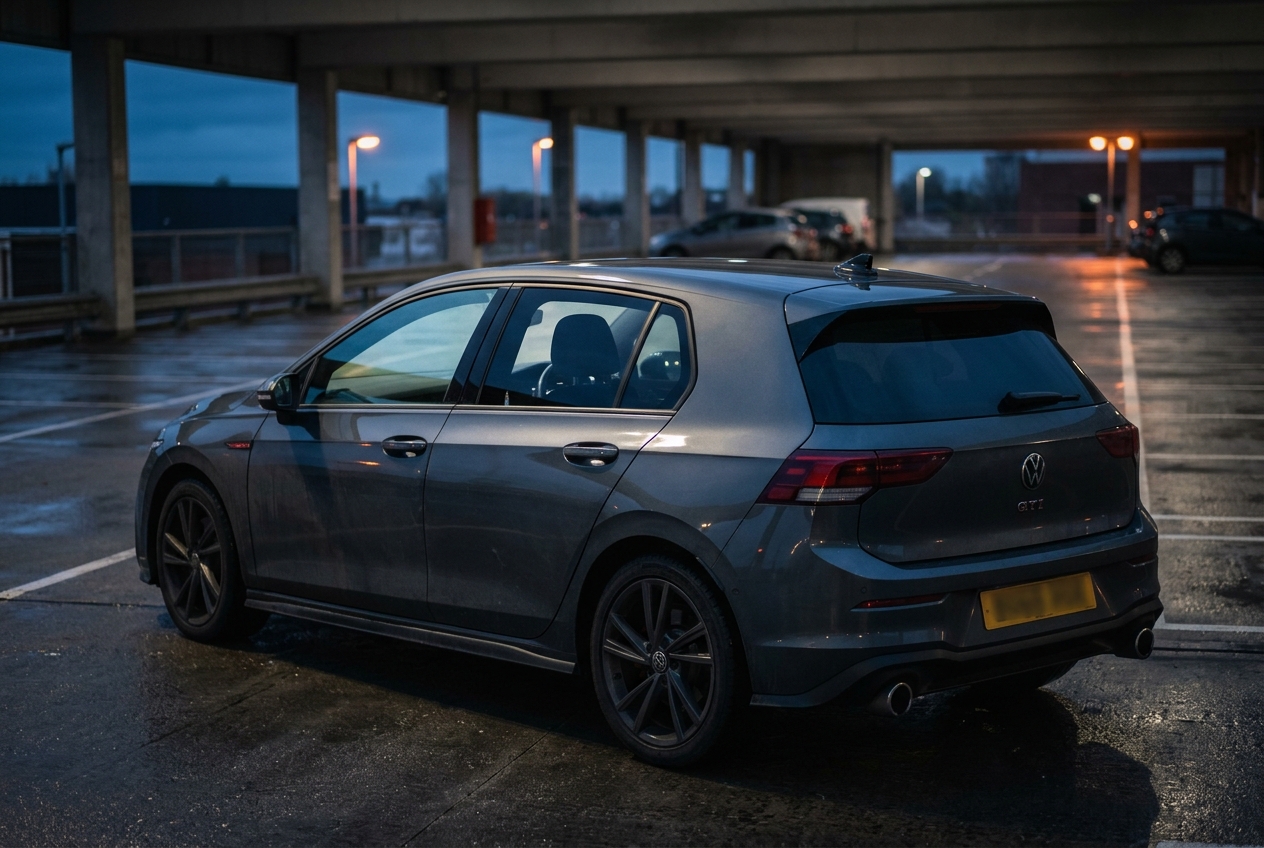
It's late, the car park is dim, and you're reversing out of a tight space. You glance over your shoulder, and the rear window looks darker than you'd like. That's the kind of moment people mean when they ask about the catches.
Every upgrade has trade-offs, and vehicle window tinting is no different. Some downsides are real. Others only show up when the tint is too dark, the film is cheap, or the fit is rushed.
This guide is honest about both. We'll go through each drawback in turn, then show you how to sidestep it with the right shade, film and fitter.
What are the downsides of tinted windows?
The main downsides of tinted windows are:
- Reduced night visibility. Dark tint can make it harder to see out after dark, especially when reversing.
- Legal limits. In the UK, the windscreen must let through at least 75% of light and front side windows at least 70%.
- Insurance. Some policies need tint declared as a modification.
- Warranty risk. A poor fit can damage rear demister lines, and film warranties come with conditions.
- Cheap film problems. Bubbling, peeling or fading to purple.
Most of these are avoided with legal shades, quality film and a professional fitter.
Want the benefits without the drawbacks? See our legal window tinting in Leeds.
Tinted Windows and Night Visibility
Darker film lets less light through the glass. In daylight you barely notice. At night, in heavy rain or in a dim car park, it can make seeing out harder.
You feel it most when reversing or pulling out at junctions. That's when you look over your shoulder through the rear and rear side windows. Pedestrians and cyclists can be harder to spot.
How dark a window looks depends on two things: the glass your car came with, and the film added on top. The film's shade on its own doesn't tell the full story.
That's why UK law sets minimum light levels for the front windows. These limits help protect the driver's view.
How to avoid it: if you drive a lot after dark, choose a lighter shade for the rear windows. Mirrors and a reversing camera help, but they don't replace a clear view. We talk through how and when you drive before we suggest a shade.
Seeing out at night is one thing. Staying on the right side of the law is another.
UK Window Tint Law: The Limits That Catch People Out
UK law sets how much light your front glass must let through. The rules depend on when your car was first used:
| Window | Minimum light through |
|---|---|
| Windscreen (used on/after 1 April 1985) | 75% |
| Front side windows (used on/after 1 April 1985) | 70% |
| Windscreen and front side windows (used before 1 April 1985) | 70% |
| Rear windscreen and rear side windows | No minimum light transmission requirement |
Here's the trap. Some cars leave the factory with glass that's already slightly tinted. Add film to the fronts and the total can drop below the legal limit.
Police and DVSA vehicle examiners can check front window tint with a light meter. If it's too dark, you could get a prohibition notice, a penalty notice or a court summons.
How to avoid it: we measure the glass before fitting, and every job meets UK legal limits. The law sets no minimum light level for the rear glass. Even so, very dark rear tint can still make reversing and night driving harder.
Insurance and Warranties: Can Tint Cause Problems?
Even with legal tint, a couple of paperwork questions are worth sorting first.
Insurance
- Insurers treat tint in different ways. Ask yours before fitting whether it needs declaring.
- If your policy says it must be declared and you don't, it could affect your cover or a claim.
- Front tint that breaks the law could also cause problems with a claim.
Warranties
- Poor fitting, or careless removal of old film, can damage rear demister lines.
- Whether your car's warranty covers that repair depends on the cause and the maker's terms.
- Film warranties have their own conditions, which vary by film and fitter. Read them before you book.
- Keep your receipt and paperwork from the fitter as proof of a proper install.
How to avoid it: choose a fitter who gives written terms. Our vehicle tinting carries a lifetime warranty against bubbling, peeling and colour fade.
Cheap Film Problems: Bubbling, Peeling and Purple Windows
Notice a pattern? Many of the downsides people talk about come down to the film and the fitting.
| Problem | Usual cause |
|---|---|
| Windows turning purple | Lower-quality dyed film fading over time |
| Bubbles and peeling that don't clear | Poor prep, dirt trapped during fitting, or weak adhesive |
| Phone, GPS or radio signal issues | Some metallised films can interfere with signals; non-metallised ceramic films usually avoid this |
Not every bubble means a bad fit. Small water pockets just after fitting are normal and fade as the film dries. Bubbles that stay, or edges that lift, are a different matter.
Failed film is also fiddly to remove. Stripping it can leave sticky residue behind, and a careless job can damage rear demister lines.
How to avoid it: pay for quality film and a careful fit once. If signal matters to you, ask which film is non-metallised. We hand-cut and heat-shrink film to each window in our dust-free workshop, rather than using pre-cut kits.
Other Trade-Offs to Know About
A few smaller points are worth knowing before you book:
- Upfront cost. Quality film and a proper fit cost more than a DIY kit. We quote every job free before anything is booked in.
- Drying time. Film usually needs several days to dry. Full adhesion can take longer, depending on the film and the weather. Keep the windows up for the time we give you, usually at least 48 hours.
- Haze while drying. Slight haze or water spots can be normal at first. If bubbles or lifting edges stay, bring the car back to us.
- Harder to see in. Very dark rear windows make it harder for other drivers and pedestrians to see who's inside.
- Cleaning care. Use a soft microfibre cloth and a non-abrasive cleaner suited to window film. Skip harsh chemicals and follow the film maker's advice.
How to Avoid the Downsides of Window Tinting
Every drawback above has a simple fix. Before you book, check:
- Will the front windows stay within the 75% and 70% limits?
- Is the rear shade right for how much you drive at night?
- What film is being used, and what does the written warranty cover?
- Can the fitter show photos of real work and genuine Google reviews?
- Have you been given clear aftercare advice for the drying period?
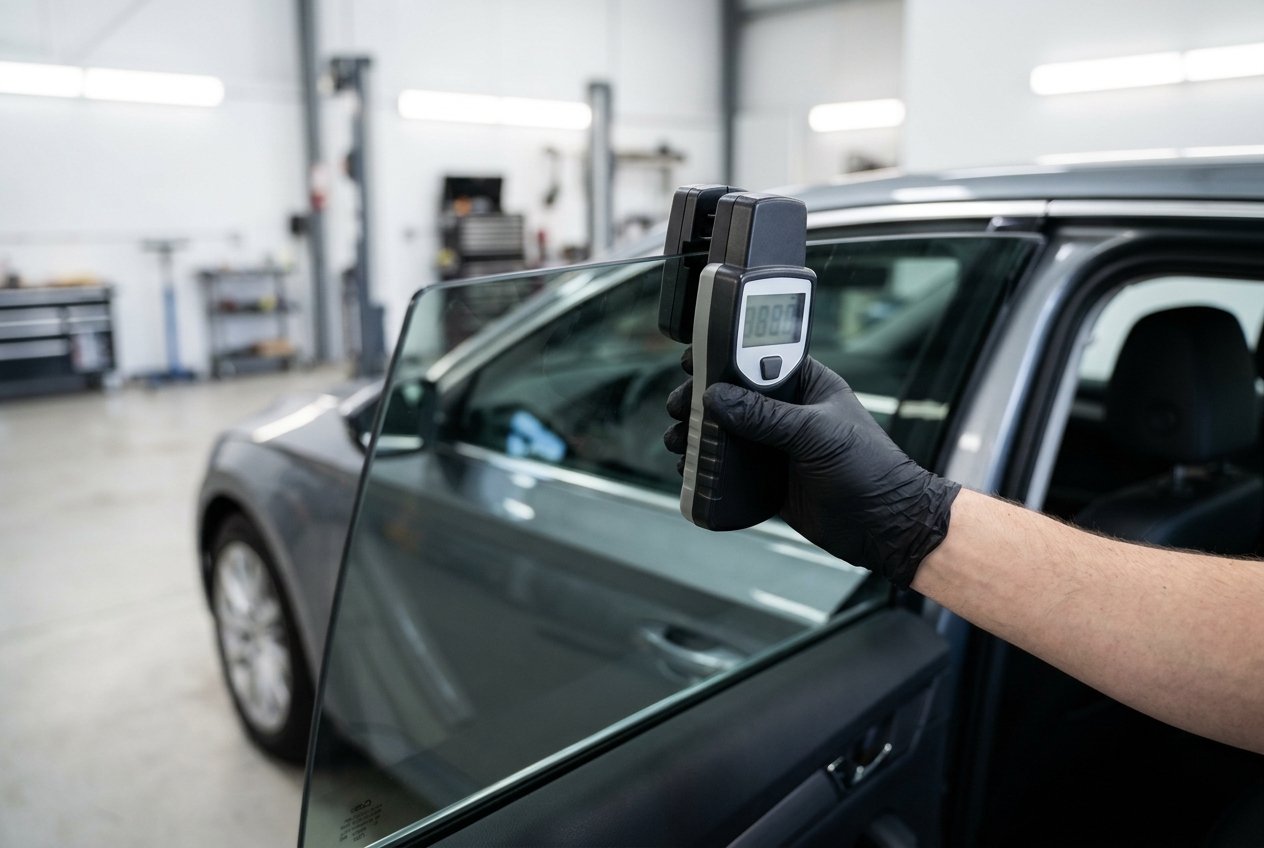
At Vinyl Tek Customs, the person who quotes your car is the same one who fits it. Navid is 3M-trained with over 15 years of hands-on experience. We measure the glass before fitting, and every job meets UK legal limits.
Find us at 280 Tong Rd, Leeds LS12 3BG. Call 0113 263 99 11, get directions to our Leeds workshop, or read our Google reviews.
Ready to book? See our vehicle window tinting Leeds or get a free tinting quote.